Our verdict
Hang Ten Systems is worth a conversation for a company with more than about $10 billion in annual revenue that wants long-delayed software projects delivered by small teams working with its agentic AI platform. It was founded in May 2026, so it has no multi-year delivery record, and its promised tenfold improvement in cost or speed is a company claim.
The right buyer
- Companies with more than about $10 billion in annual revenue and budgeted software or SAP programs.
- Buyers who want an outcome-based price agreed against a defined result before work starts.
- Teams that prefer a small senior group, sometimes two to four people, with the result certified by the customer or a third party.
- Enterprises that want independence from the underlying platform.
Reasons to look elsewhere
- Hang Ten was founded in May 2026, so it has no multi-year delivery record.
- It targets companies with more than about $10 billion in revenue, so mid-market buyers are outside its focus.
- With about 20 to 25 employees, it is still hiring the engineering, consulting and sales teams it plans to use.
- The tenfold improvement figure is a company promise, and the productivity figures on its site cite outside studies, not Hang Ten projects.
Hang Ten Systems, At A High Level
Hang Ten Systems is a Palo Alto, California company that advises companies with more than about $10 billion in annual revenue on AI strategy and builds and modernizes their software.
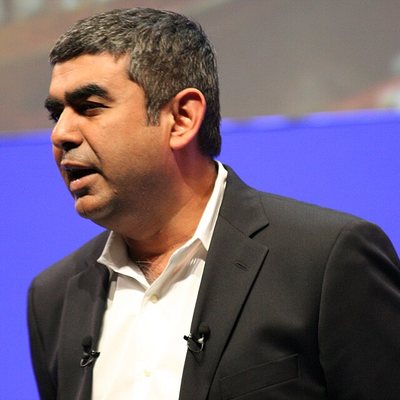
- Founded in May 2026 by former Infosys chief executive Vishal Sikka, TechCrunch reported.
- Large companies use it to deliver software projects they had budgeted or put off, including SAP landscape work, finance and HR systems and product engineering (Hang Ten).
- Its engineers use an in-house agentic AI platform called Hobie, which reads a client’s live systems and keeps a versioned model of the business that agents query in place.
- Raised an additional $53 million in seed funding on September 16, 2026, led by Xora, a Temasek-backed fund, with Mayfield and Aramco Ventures also taking part. That brought its total funding to $85 million, and Yahoo co-founder Jerry Yang joined its board (Hang Ten Systems).
- Its two seed rounds closed five weeks apart. In that time it signed several multi-million-dollar advisory and development contracts with global enterprises, and delivery had finished on a few projects by the time of the September announcement (Hang Ten Systems).
- It is building applications for Aramco across several functions, and Siemens Gamesa Renewable Energy widened the scope of its work with Hang Ten after a first set of agreed outcomes was delivered (Hang Ten Systems).
- Promises clients a tenfold improvement in cost, speed or both. Co-founder Sanjay Rajagopalan told TechCrunch that some projects use teams of two to four people where about 30 might have been used before, with the customer or an independent party still certifying the result.
Its customers include:
- Fresenius Kabi
- Saudi Aramco
- Siemens Energy
Scores
| Criterion | Weight | Score | Basis |
|---|---|---|---|
| Production track record | 20% | 6.4 | Named customers and multiple seven-figure contracts reported, but the firm is months old. |
| Technical depth | 15% | 7.6 | Hobie platform with semantic layer, governance and closed-loop agent building. |
| Industry depth | 10% | 7.0 | Engagements in pharma and healthcare, energy and SAP landscapes. |
| Delivery model and handoff | 15% | 7.0 | Small forward-deployed teams; customer or third party certifies quality. |
| Commercial clarity | 10% | 7.4 | Outcome-based price agreed against a defined result before work starts. |
| Platform independence | 10% | 7.8 | Sikka stresses independence from the underlying platform. |
| Stability and scale | 10% | 5.6 | Founded May 2026; about 20 to 25 staff. |
| Independent evidence | 10% | 7.6 | TechCrunch coverage with named investors and customers. |
| Overall | 100% | 7.0 | Weighted average |
Where Hang Ten Systems fits
Hang Ten Systems works for very large companies, mostly those with more than about $10 billion in annual revenue, that have software, SAP, finance, or HR projects they want delivered faster by small teams using its Hobie agent platform. It agrees an outcome-based price before work starts, which puts it at the enterprise end of the market. For large-enterprise modernization and AI-led execution, compare: Distyl AI for embedded teams building AI into complex enterprise workflows; AuxoAI for senior teams redesigning and operating enterprise AI workflows; Accenture for multi-system modernization, SAP delivery, and business-process change; Infosys for application modernization, SAP migration, integration, and ongoing operations; TCS for large enterprise application, SAP, finance, and HR transformation programs.
| Need | Fit | Why |
|---|---|---|
| SAP migration and simplification | Strong | Listed focus area. |
| Custom enterprise software build | Strong | Core offer. |
| Mid-market project | Weak | Targets companies above about $10B revenue. |
| Long track record required | Weak | Founded in 2026. |
What clients and leaders say
“We are actually delivering production software. It’s not like we are doing some kind of PoC.”
“Enterprises still need trusted partners who are independent of the underlying platform and who work with and solely in the interest of the enterprise.”
“We started working with Hang Ten two months ago with a short list of outcomes we needed proven. They delivered, with a quality and speed that genuinely impressed us. That level of execution is why we have widened the scope of our work together.”